


The Tale
When 39-year-old Jørn Utzon won the Sydney Opera House design prize in 1957, he was still unheard of in the international architectural arena. He had won a few design prizes before, but none of those designs was built due to the World Wars. So winning the Opera House design prize was a big deal for Utzon. It could have launched his career as an internationally renowned master.
Yet sixteen years later, when the Opera House finally opened its doors to the public, Jørn Utzon wasn’t mentioned in Queen Elizabeth II’s opening speech. He had already declined to attend the opening ceremony, and he declined all invitations to visit the Opera House for the rest of his life.
It was not until the 1990s when Sydney began to acknowledge Jørn Utzon as the creator of this masterpiece, but Utzon’s relationship with the Sydney government was so damaged that he never stepped foot in Australia ever again.
I think the biggest contributor to the fiasco is that the project was unreasonably rushed. The young nation of Australia was eager to leave a mark on the map. Its then Prime Minister John Cahill pushed hard to have the construction start within his term of office. (Source) Like many great construction projects, the Sydney Opera House underwent many years of painful delays; they paid fifteen times more than the initial budget and faced off multiple protests from tax-payers and the artist community.
Some might say, given what an icon the Opera House has become, the struggle was all worth it. However, how Jørn Utzon’s career was impacted after this saga was beyond the measure of delayed years or soaring bills.
I heard this cringing story from a 99% Invisible podcast, Cautionary Tales of the Sydney Opera House - I highly recommend listening to the masterfully performed audio show for all the details - At the end of the podcast, the author Tim Harford offered a slice of hope:
Ever since the Opera House, we’ve seen more and more iconic buildings get done on time and under budget. It’s still rare, but it’s not impossible. Successful projects start with understanding “Why? What are we trying to achieve? What odds are there?” before breaking the ground.
I find the lessons here apply to my own process as well.
What can a digital designer learn from this?
Designing with pixels can easily make one forget about the hidden cost. I can delete an entire project folder without feeling guilty about generating land waste. The rapidly evolving web technology could rush me to build new toys with shiny new tools. Besides, I enjoy improvisation over planning.
Most of the projects I did in the past year were improvised, which in itself is not a bad thing. Improvisation allows me to let go of attachment, and to be willing to try and start over. When the project is small, improvisation may even generate surprisingly good results. However, in the past three months, as I worked through the webcomic of Snail and Cricket, I reached the limitation of improvisation. The project began to drag. The more I built on it, the harder it became to reverse past decisions. It was a project too large to improvise.
Now, a voice in my head began to speak: “Duh - isn’t it a designer’s job to draw up the mockups before the engineers start coding?? What are you talking about?”
I think this question really hits the nail on its head. I never liked the idea of separating design from engineering, albeit its necessity in large-scale projects. When a designer can not work directly with the medium they are designing for, the result will either be boring, like the mass-produced apartment buildings with standard components, or disastrous, like the Sydney Opera House.
Jørn Utzon was an artist, and he was also an engineer who would solve problems to reach his artistic vision. When he doodled those cloudy lines for the opera house silhouette, he was on the hook for solving them. He could of course consult any construction engineer for input, but ultimately, he would need to come up with an executable plan to manufacture those forms.
And he did.
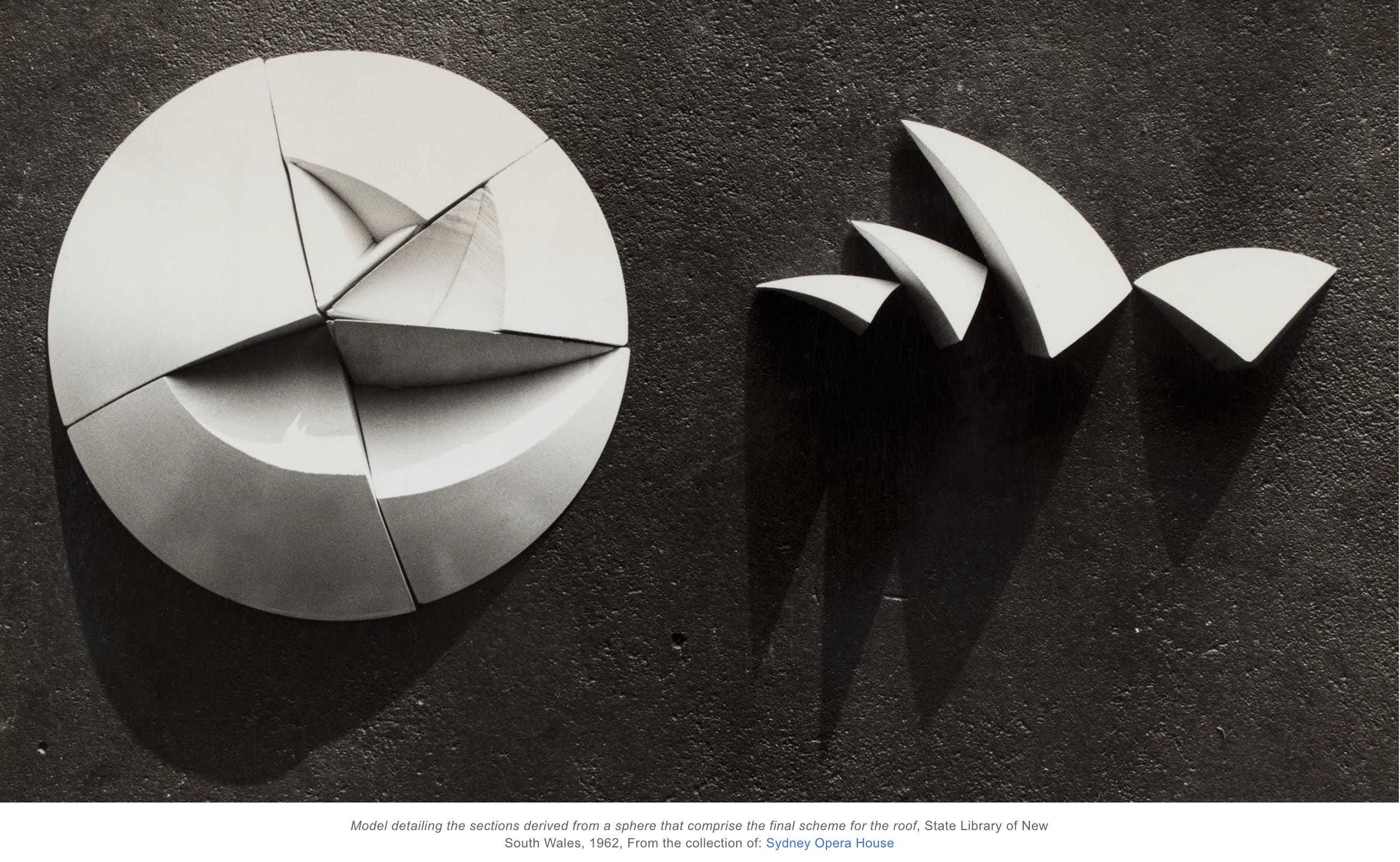
This was no one else’s job.
This was why it became such a fiasco when Utzon was forced out midway through the project.
I resonated with Utzon’s story so much because that’s how I’d like to work. I can’t just design on a piece of paper (or in a PNG file, or even in a Figma prototype, for that matter). I need to work out at least an approximation of the kind of interaction I designed.
I feel now I’m at a crossroads that’s not unlike where in professional path Utzon took the opera house job. By that time, Utzon had built several personal residences. He had closely supervised the craftsmen - the carpenters and masons of sorts - to give form to his drawings. He had what it would take to build the opera house. His misfortune was partially due to his inexperience in managing stakeholder expectations, as to stop Prime Minister Cahill from digging the ground.
But I can, of course, stop myself from digging the ground.
Will it be different this time?
For the most recent project I started, I took a different approach from improvising. To kick off the project, I spent a few hours on day 1 to write down my reasons for doing this project, who my target audience is, what success or failure looks like for this project, and what risks might work against me.
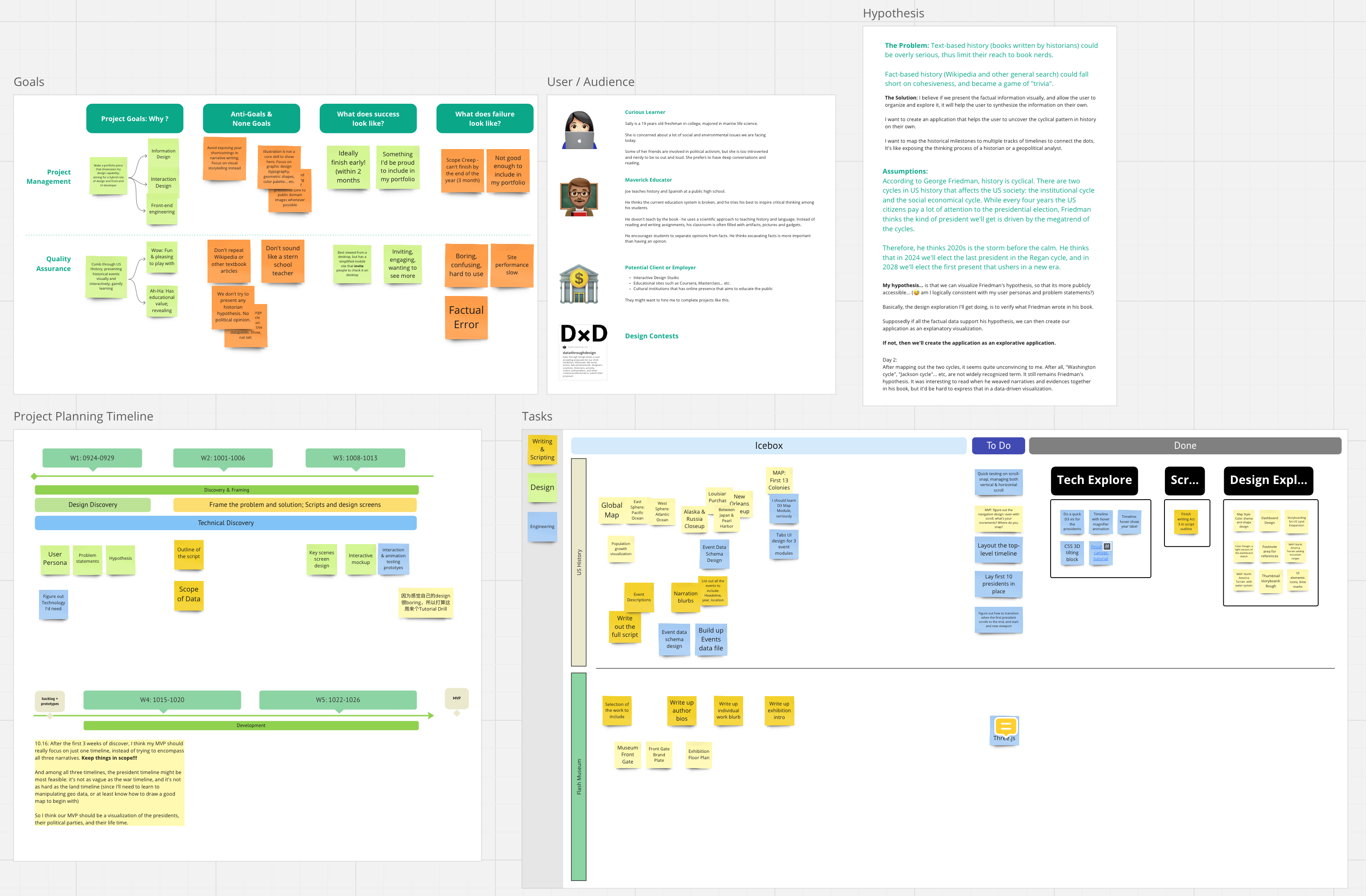
The biggest risk of any of my personal projects is for them to drag on too long while not getting the ideal outcome. For that, I laid out a rough timeline to manage my expectations for the completion date. I tend to dream up a grandiose project but only have enough steam for sprints. Time-boxing the project is to box in the project scope. It would help me to cut my time spent on unessential features.
Then I spent the past three weeks just drafting the scripts, putting together drawings, and building many interactive prototypes.
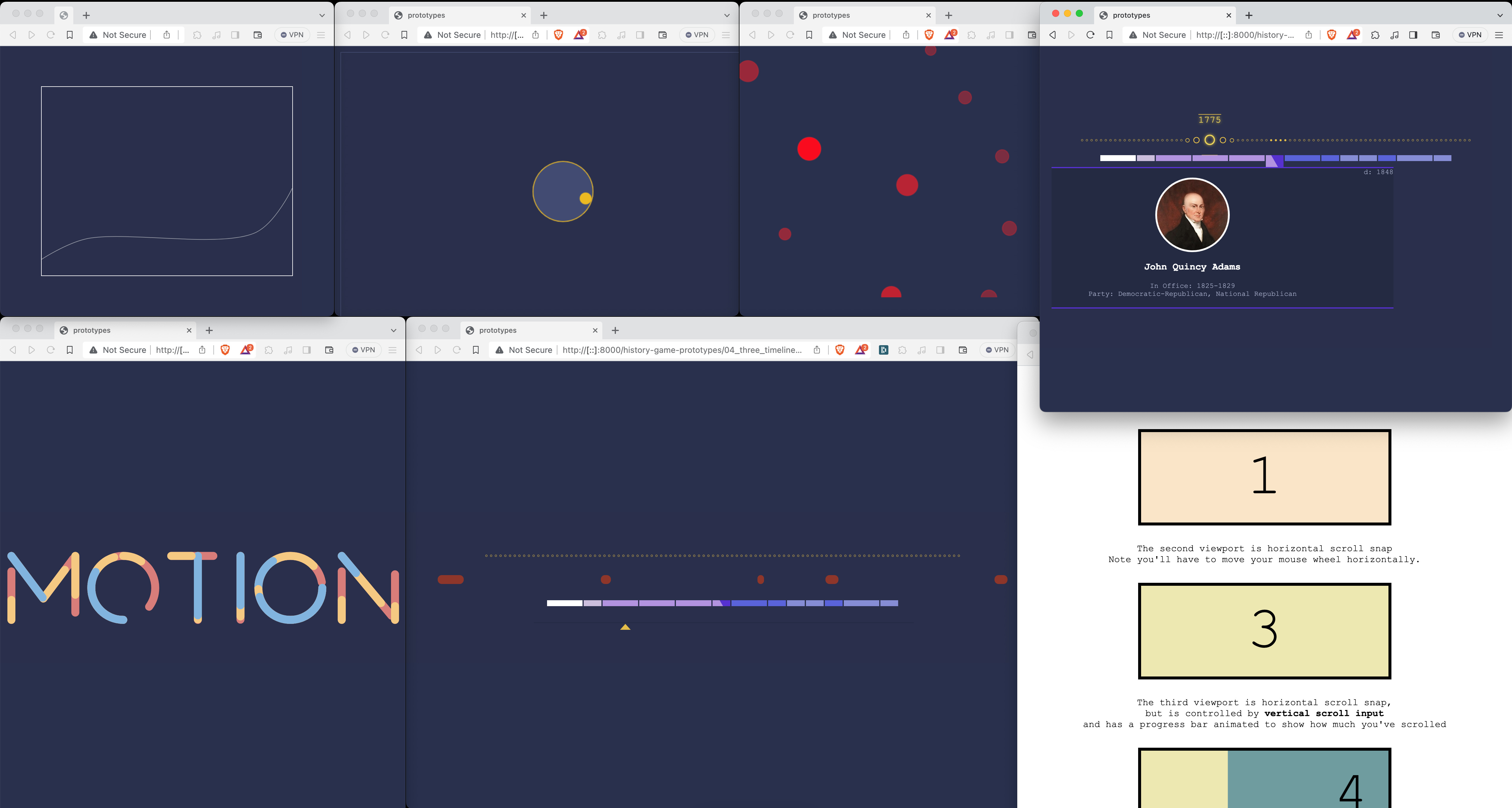
Three weeks is the maximum I allowed myself for the explorative work. By the end of Week 3, which was last Friday, I narrowed down the scope of my project to a manageable size - MVP releasable in 6~8 weeks.
Will it be different this time? We’ll see. 😝
In the upcoming newsletters, I’ll keep reporting my progress. Hopefully, by December I’ll have something to show. 🤞
As always, thank you for reading thus far! Your readership is my biggest support!
Until next time!